
Ayurveda is an ancient form of natural healing widely practiced in India. It has gained increasing popularity in Western countries. Ayurvedic medicine is built on multiple components, with nutrition being one of its primary factors for optimizing health and both preventing and treating diseases.
Ayurvedic medicine follows a holistic approach, viewing body and mind as interconnected. Ayurveda spices hold a significant place in the context of an, especially since India is renowned as the land of spices. Traditional Indian cuisine often features large quantities of spices. Many of us are already familiar with curry, turmeric, or cumin. These and many more are crucial Ayurveda spices. This article takes a closer look at these spices, showing their health benefits and how they fit into a holistic Ayurvedic lifestyle.
Why Are Spices So Important?
For most of us, spices primarily exist to enhance flavor in cooking. However, they do more than just improve the taste of dishes; they can also benefit our health. Ayurveda spices like turmeric and ginger can be considered “superfoods,” recognized for their abundance of nutrients and antioxidants. Ayurvedic medicine leverages exactly these health-promoting properties.
Classic Ayurveda spices include cumin, turmeric, licorice root, cardamom, cinnamon, or Gymnema sylvestre, to name just a few.
Ayurvedic Diet and Its Components
An Ayurvedic diet is generally a whole-foods approach, rich in fresh, organic fruits and vegetables, whole grains, legumes, nuts, seeds, herbs, and — depending on tolerance — dairy such as yogurt, milk, or paneer. However, for a vegan lifestyle, one simply omits animal-based products.
Fruits and vegetables (mostly cooked) are valued not just for their nutrients, but also as natural internal cleansers. Specific guidelines for Vata, Pitta, and Kapha dosha diets help you pick the right produce to suit your physiology and the season.

Turmeric
Turmeric is recognized worldwide, especially in Southeast Asian cuisines, as a main ingredient in curry blends. It’s also one of the most popular Ayurveda spices. The main bioactive compound, curcumin, has potent anti-inflammatory and antioxidant properties.
Studies suggest turmeric may protect against cardiovascular diseases by supporting healthy blood flow. Additionally, curcumin helps maintain brain function by boosting BDNF (brain-derived neurotrophic factor). Low BDNF levels are associated with conditions like Alzheimer’s and depression. Furthermore, turmeric can enhance the gallbladder’s function and offers antibacterial effects. In skincare, turmeric is used for its rejuvenating qualities and to treat acne.
Licorice Root
Ground licorice root still features prominently in synergistic Ayurvedic formulas and teas. Shaped like sweet, woody sticks, licorice root has been used for centuries to ease gastric issues, such as occasional acidity and heartburn. It contains the compound glycyrrhizin, which supports liver health, and is considered one of the best Ayurveda spices.
In the lungs, licorice acts as an expectorant and decongestant. It has traditionally been recommended for respiratory ailments, sore throats, and ulcers.
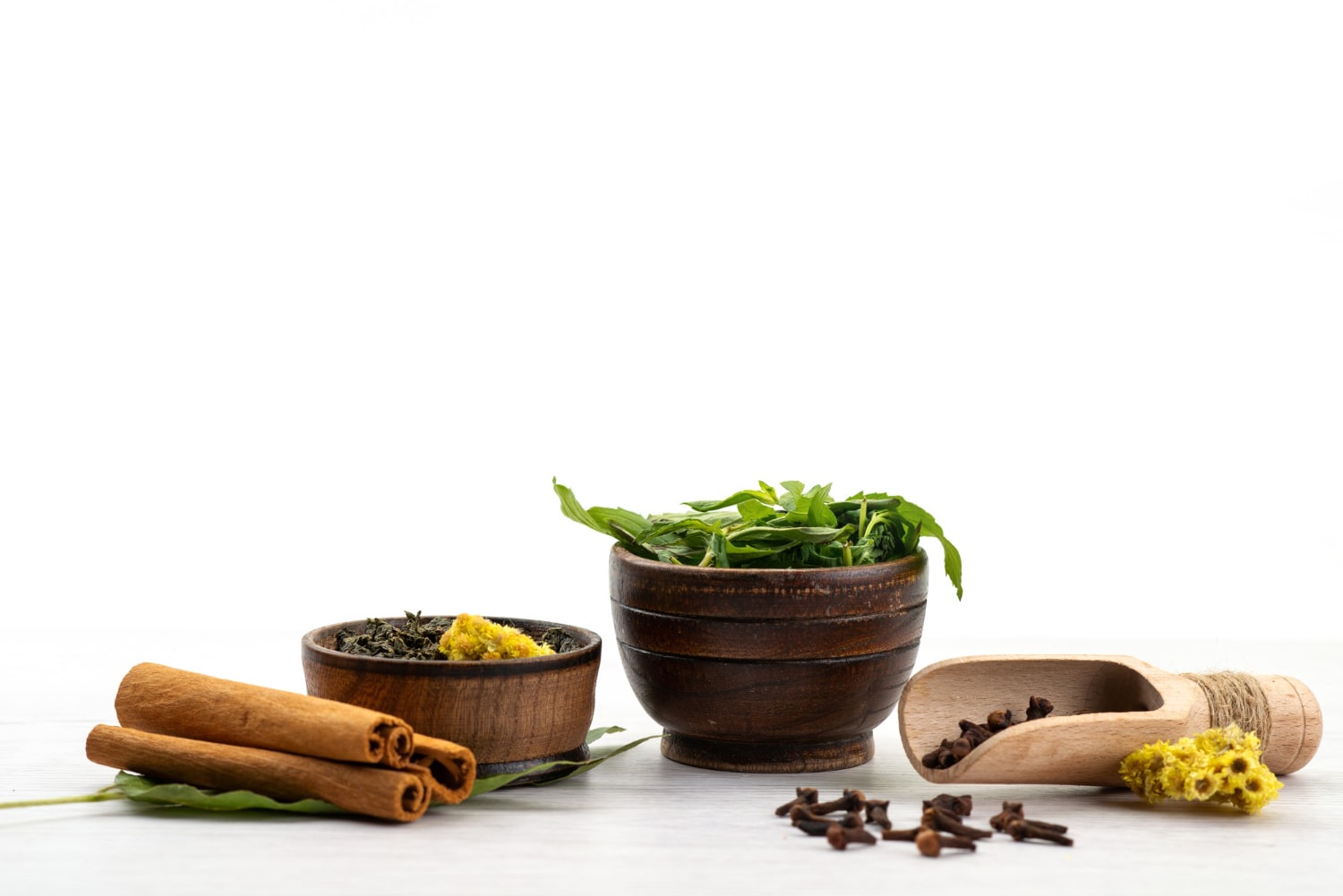
Cardamom
Cardamom is among the most important Ayurveda spices. It can have a positive influence on blood pressure and is packed with antioxidants. Research shows that cardamom powder may boost the activity of certain enzymes that combat cancer. Cardamom could also enhance the body’s natural capacity to attack tumors, thus contributing to cancer prevention.
Cinnamon
Cinnamon is a spice derived from specific types of trees in Asia, known for thousands of years in Ayurvedic medicine. It’s widely used in cooking and baking, imparting a warm, slightly sweet flavor to many dishes.
Cinnamon’s powerful antioxidants appear to have antibiotic and anti-inflammatory effects. One key compound, cinnamaldehyde, is thought to be responsible for many of cinnamon’s potential health benefits, ranging from improved metabolic function to enhanced immunity.
Gymnema sylvestre
Gymnema sylvestre is an Ayurvedic herbal remedy that can be included among Ayurveda spices for its therapeutic uses. A perennial vine found in tropical regions of India, Africa, and Australia, Gymnema’s main active components are gymnemic acids. These compounds help curb sugar cravings by blocking sugar receptors on the taste buds when taken before eating sweets.
As a supplement, Gymnema is sometimes used alongside other antidiabetic medications, helping to lower blood sugar by reducing sugar absorption in the intestine and stabilizing glucose levels.
Conclusion
Ayurveda spices play a central role in this ancient holistic system of medicine. Alongside a well-tailored, plant-based Ayurvedic diet, they can have a markedly positive impact on overall health. Many of the spices mentioned here possess antioxidant and anti-inflammatory properties, and they significantly enhance flavor as well.
Whether in classic Indian dishes or integrated into everyday meals, Ayurveda spices are the key to giving your food a unique taste while boosting well-being—an ideal combination of delicious and beneficial.
Health
More vegan health articles

The optimal Ayurveda morning routine
Everyone starts their day differently, but brushing your teeth, having coffee, and taking a shower are…
Read more
How do you improve the body’s regeneration?
The body’s regeneration depends significantly on proper nutrition. Regeneration is essential for general well-being and recovery—factors…
Read more