
Vegan Hotels Japan
Compare 19 carefully researched vegan and vegan-friendly stays across three major cities and three of Japan’s most popular holiday regions.
Plan precisely. Travel lightly. Eat kindly.
Tokyo, Kyoto, Osaka, Okinawa, Hokkaido, and Hakone with Mount Fuji.
Hotel evidence, location context and booking routes gathered in one hub.
Small independent properties in Kyoto, Okinawa and near Mount Fuji.
Affiliate searches prioritised where Booking.com is the practical route.
The direct answer
Where should vegan travellers stay in Japan?
Tokyo, Kyoto and Osaka offer the greatest choice and the easiest first itinerary, while Okinawa, Hokkaido, Hakone and the Fuji Five Lakes add beaches, snow, onsen and mountain scenery. This Japan hub compares 19 stays: three properties publish a fully vegan concept, and the others have specific vegan breakfasts, menus or advance-request pathways. “Vegan-friendly” does not mean a hotel is entirely vegan, so every guide separates verified meals from assumptions.
Explore Japan
Six city and holiday-region guides
Each destination page explains the hotel’s current food evidence, best location fit, booking method and what needs written confirmation. Open the guide before selecting a non-refundable rate.
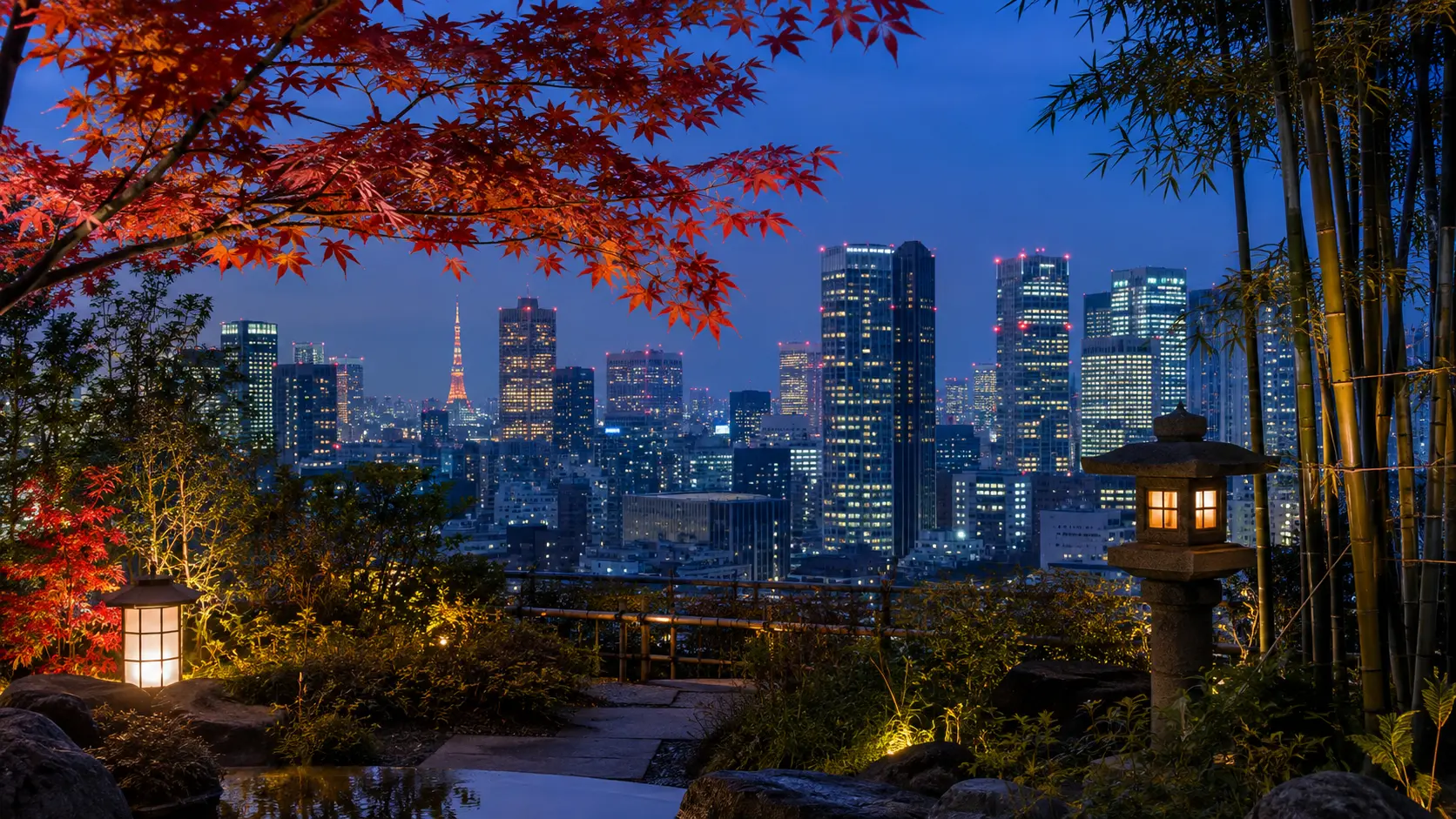
Tokyo
The Capitol Hotel Tokyu has a documented vegan breakfast; Hotel New Otani Tokyo labels vegan buffet food and offers reservable dining; Hotel Chinzanso Tokyo publishes several plant-based fine-dining choices.
Open Tokyo guide →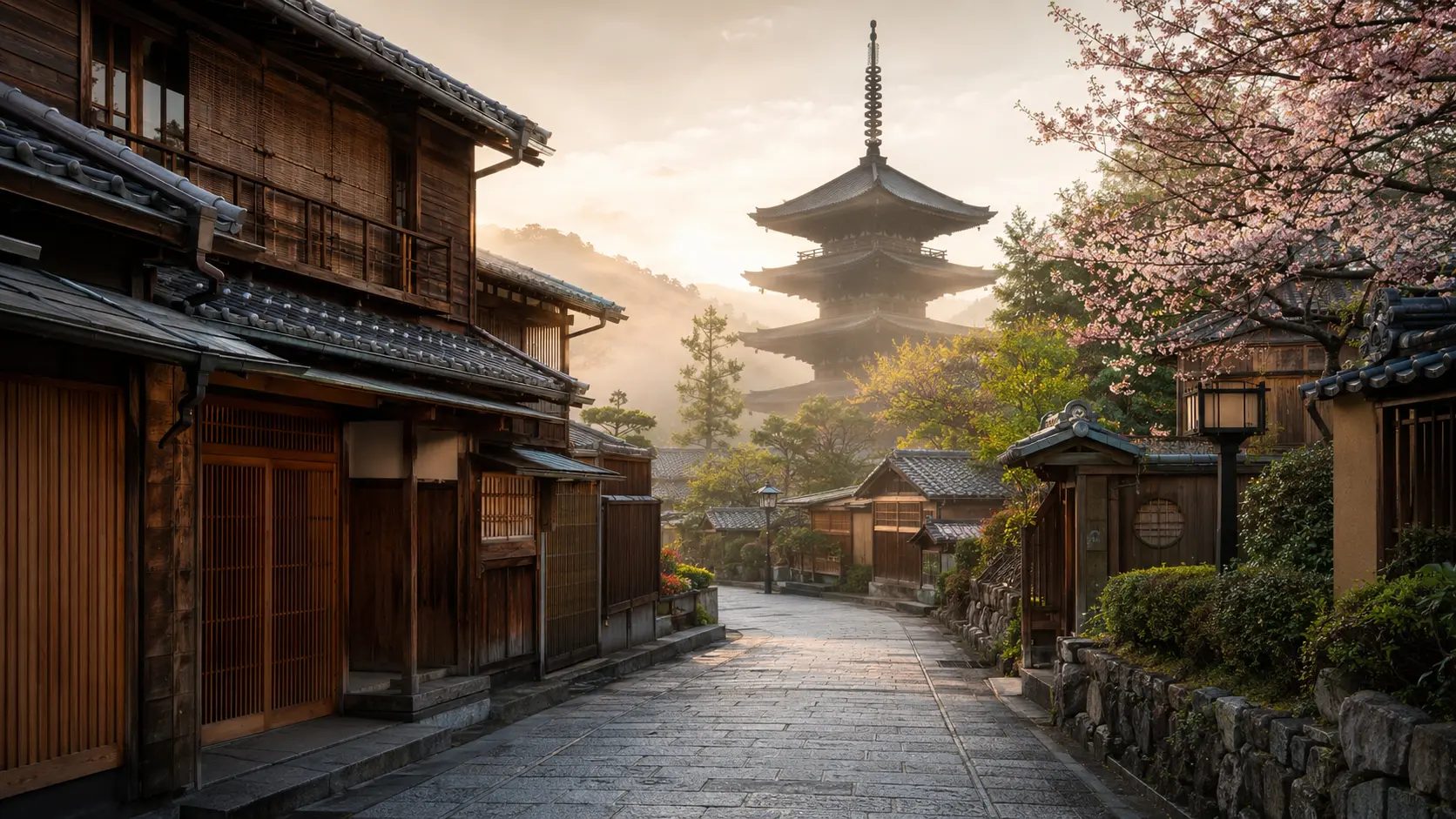
Kyoto
Choose THE JUNEI HOTEL or hotel tou nishinotoin kyoto for a specified vegan breakfast, or book fully vegan Vegan Minshuku Sanbiki Neko directly for a five-room Higashiyama B&B.
Open Kyoto guide →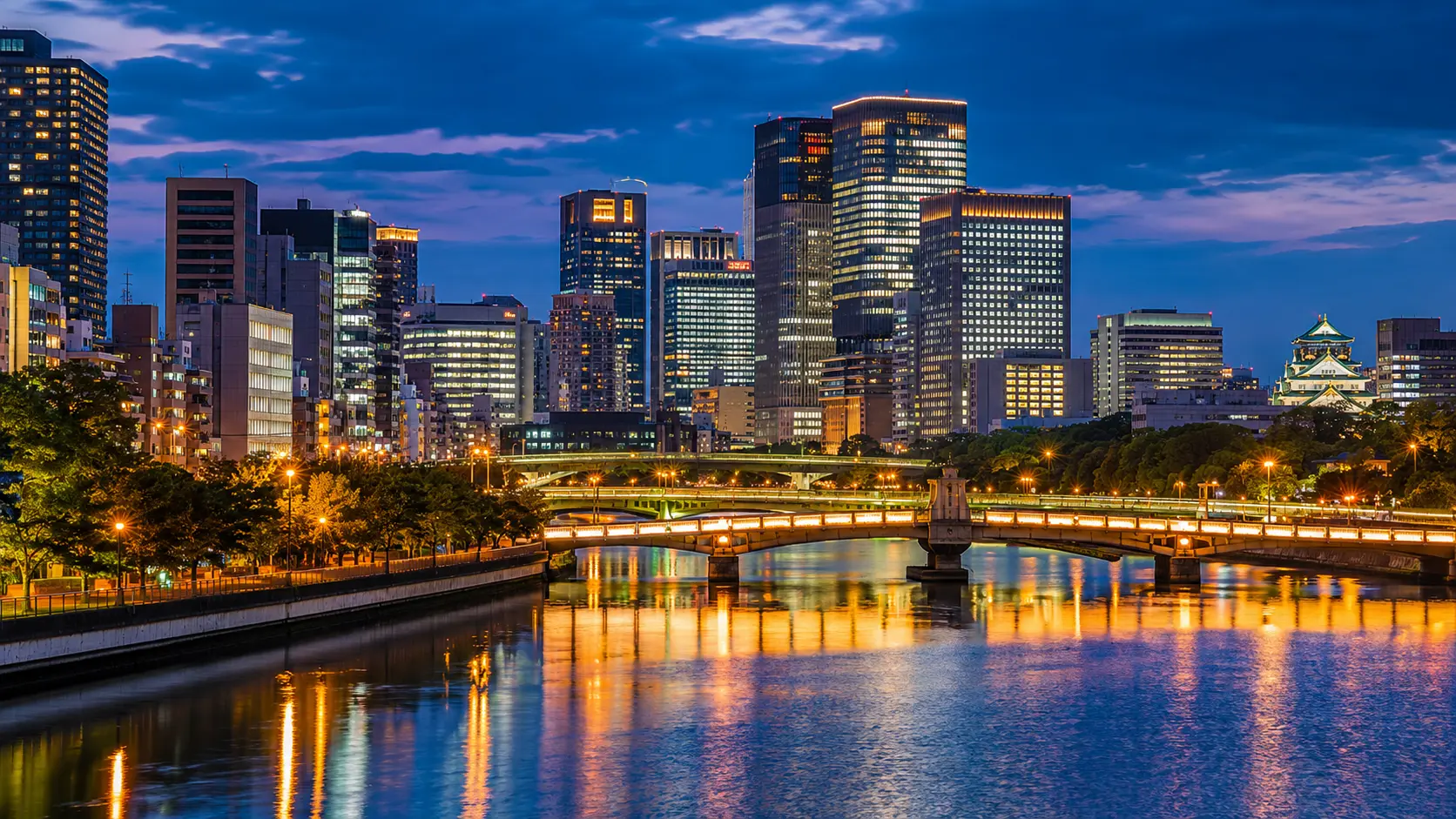
Osaka
Zentis Osaka is the breakfast choice, Imperial Hotel Osaka publishes the broadest regular vegan menu, and Hotel Nikko Osaka combines a Shinsaibashi location with reservable Japanese courses.
Open Osaka guide →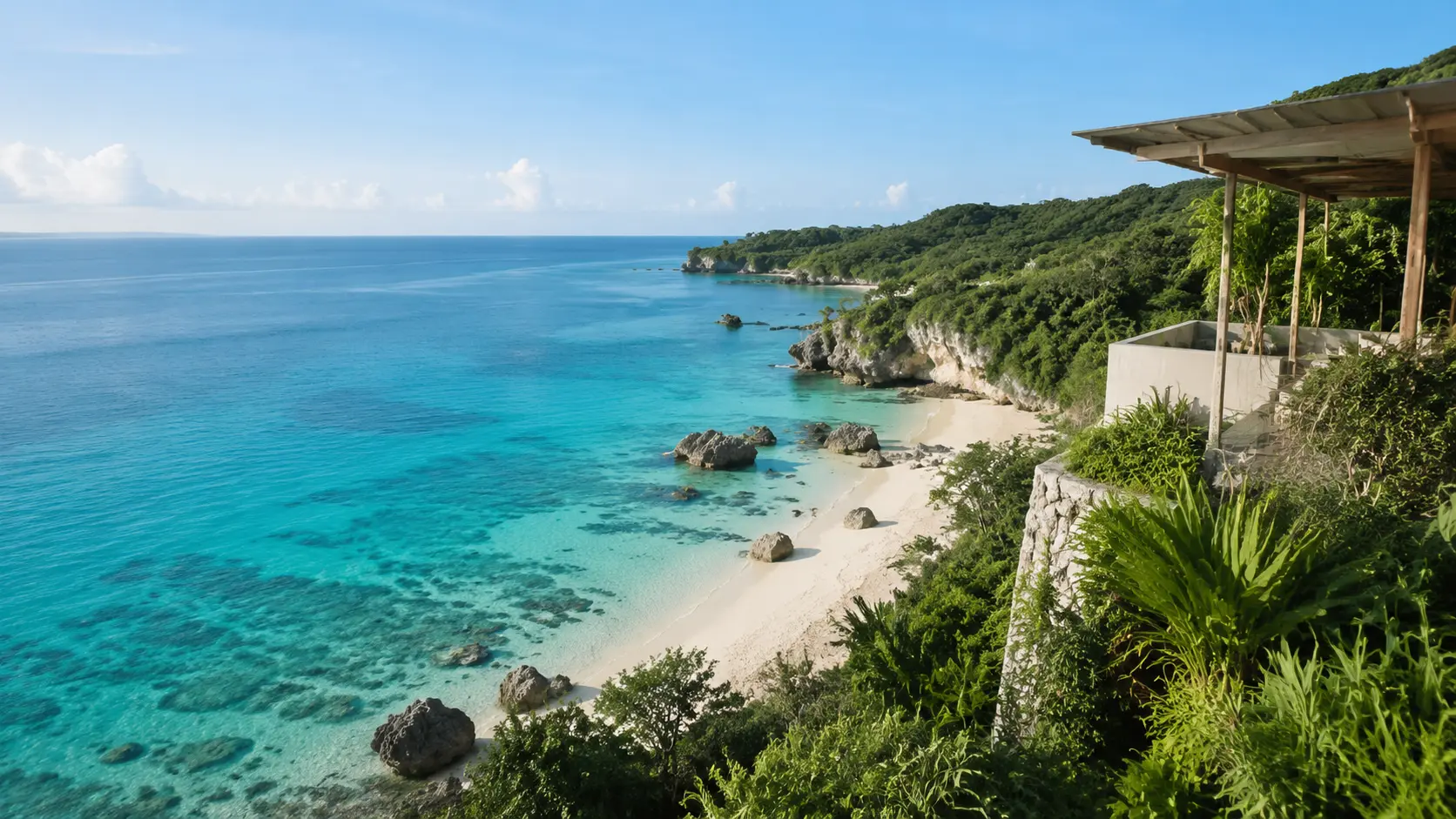
Okinawa
Hotel Nikko Alivila publishes a limited vegan breakfast, Halekulani has vegan menus across several venues, EM Wellness documents vegan café food, and VegiLicious is fully vegan.
Open Okinawa guide →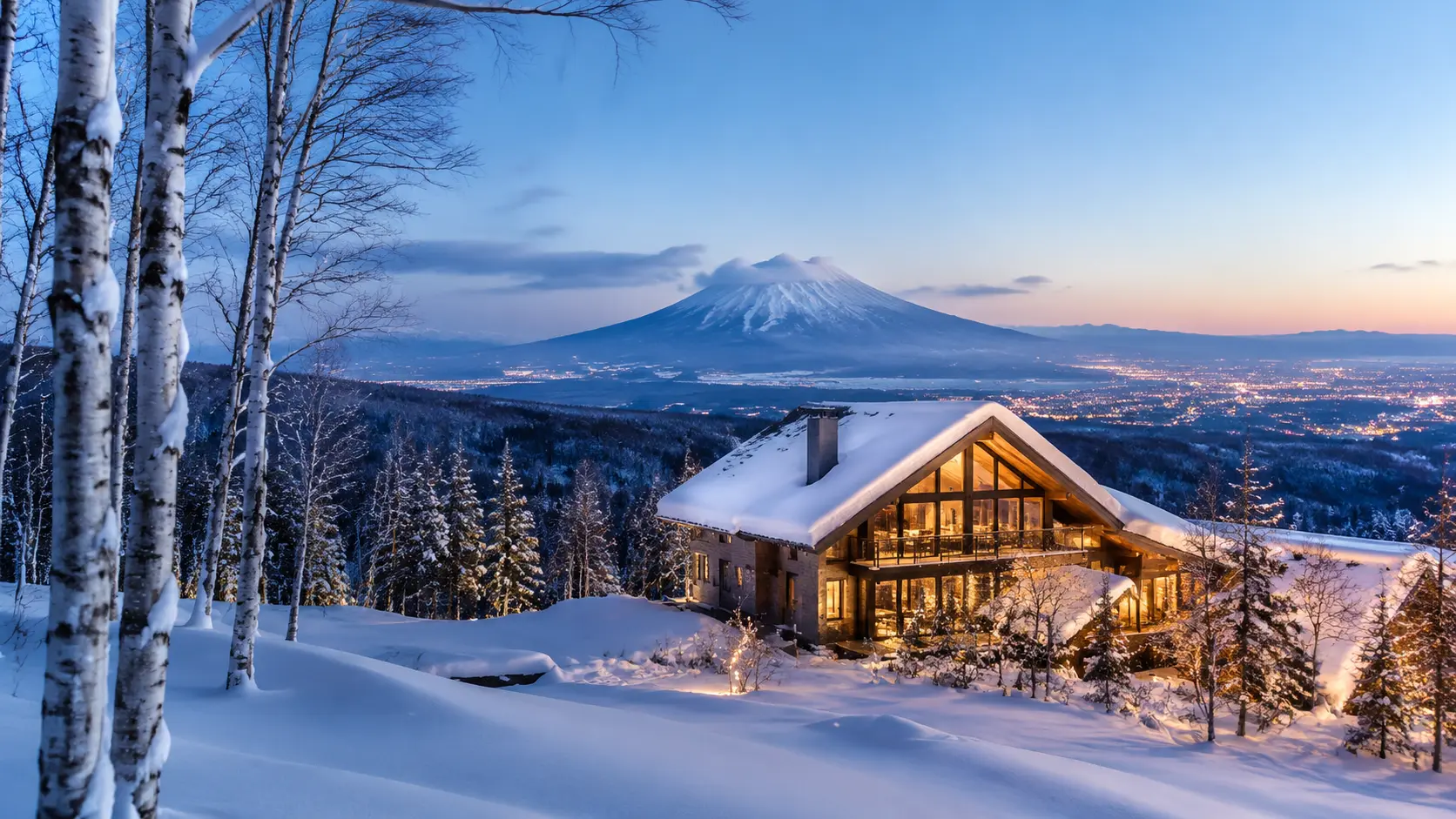
Hokkaido
Forest Spa Resort Hokkaido Hotel accepts advance meal discussions, Rusutsu publishes seasonal vegan dishes, and Sapporo Tokyu REI Hotel documents a dedicated vegan lunch.
Open Hokkaido guide →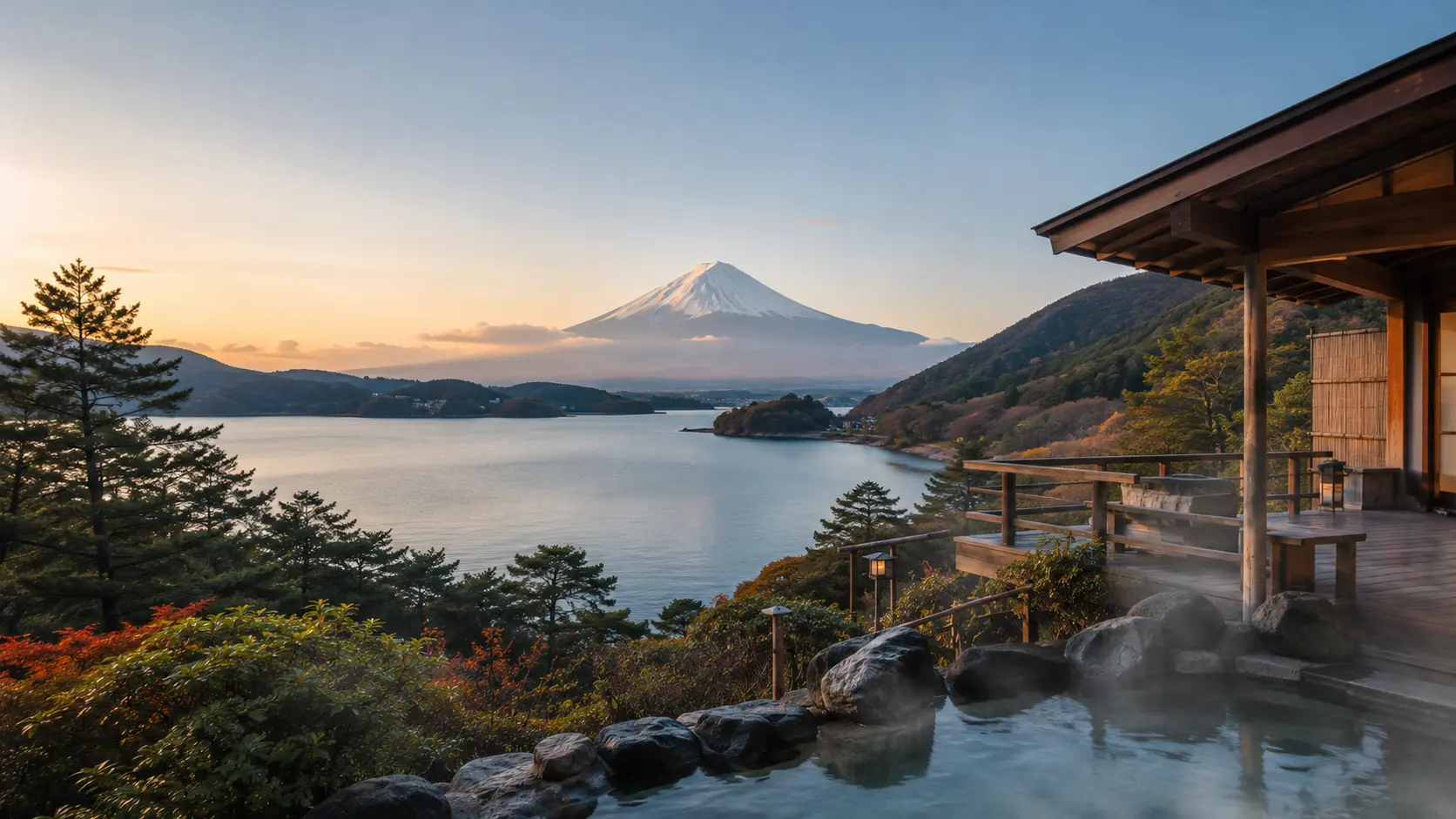
Hakone & Mount Fuji
Fully vegan Vegetarian House Jamoo sits near Lake Yamanaka; Kinnotake Tonosawa arranges vegan ryokan meals; Jemsty Inn is a practical Lake Ashi option to confirm.
Open Hakone & Fuji guide →All 19 stays
Japan vegan hotel comparison
The food column is deliberately concise. Use the linked destination guide for meal periods, notice deadlines, shared-kitchen caveats and current evidence before booking.
| Destination | Stay | Current fit | Type | Booking |
|---|---|---|---|---|
| Tokyo | The Capitol Hotel Tokyu | Dedicated vegan breakfast | Vegan-friendly | Book offer |
| Tokyo | Hotel New Otani Tokyo | Labelled buffet items and reservable vegan dining | Vegan-friendly | Book offer |
| Tokyo | Hotel Chinzanso Tokyo | Several reservable plant-based restaurant menus | Vegan-friendly | Book offer |
| Kyoto | THE JUNEI HOTEL Kyoto | Vegan and gluten-free kaiseki breakfast | Vegan-friendly | Book offer |
| Kyoto | hotel tou nishinotoin kyoto | Separate vegan breakfast set | Vegan-friendly | Book offer |
| Kyoto | Vegan Minshuku Sanbiki Neko | Fully vegan B&B with cooked breakfast | Fully vegan | Book direct |
| Osaka | Zentis Osaka | Dedicated vegan breakfast for hotel guests | Vegan-friendly | Book offer |
| Osaka | Imperial Hotel Osaka | Broad regular vegan lunch and dinner menu | Vegan-friendly | Book offer |
| Osaka | Hotel Nikko Osaka | Vegan Japanese courses by advance reservation | Vegan-friendly | Book offer |
| Okinawa | Halekulani Okinawa | Vegan menus; some require five days’ notice | Vegan-friendly | Book offer |
| Okinawa | Hotel Nikko Alivila | Dedicated vegan breakfast; five sets per day | Vegan-friendly | Book offer |
| Okinawa | EM Wellness Resort | Documented vegan café dishes and sweets | Vegan-friendly | Book offer |
| Okinawa | VegiLicious | Fully vegan private stay with dinner and breakfast | Fully vegan | Book direct |
| Hokkaido | Forest Spa Resort Hokkaido Hotel | Vegan meals with at least ten days’ notice | Vegan-friendly | Book offer |
| Hokkaido | Rusutsu Resort Hotel & Convention | Seasonal vegan dishes at selected venues | Vegan-friendly | Book offer |
| Hokkaido | Sapporo Tokyu REI Hotel | Documented vegan lunch; verify breakfast separately | Vegan-friendly | Book offer |
| Hakone & Fuji | Vegetarian House Jamoo | Fully vegan inn; breakfast plan available | Fully vegan | Book offer |
| Hakone & Fuji | Kinnotake Tonosawa | Vegan ryokan meals with advance notice | Vegan-friendly | Book offer |
| Hakone & Fuji | Jemsty Inn Hakone Ashinoko | Vegan breakfast listing to reconfirm in writing | Vegan-friendly | Book offer |
Specialist accommodation
Three fully vegan stays worth planning around
Japan’s clearest vegan accommodation is small and independent. Availability can be limited, so check dates before building the surrounding route.
Vegan Minshuku Sanbiki Neko
A five-room Higashiyama minshuku in Kyoto that describes its entire facility and cooked breakfast as fully vegan. It suits travellers who value food confidence, local guidance and a personal B&B atmosphere over full-service hotel facilities. Check direct availability →
VegiLicious
A fully vegan auberge on Kouri Island in Okinawa that hosts one private group per day and includes a plant-based dinner and breakfast. Confirm the current package, arrival transport and service calendar directly. Visit VegiLicious →
Vegetarian House Jamoo
A small 100% vegan, eco-minded inn near Lake Yamanaka on the Fuji Five Lakes side. Select the breakfast plan deliberately, because room-only plans may also be offered, and organise rural evening meals and transport before arrival. Read the Fuji guide →
Geography & logistics
Build a Japan itinerary that works
First trip: Tokyo, Kyoto and Osaka
For most first-time visitors, Tokyo, Kyoto and Osaka form the clearest route. Tokyo is the large eastern gateway; Kyoto and Osaka sit close together in Kansai and can be linked by frequent rail services. Five to eight nights across the three cities is possible, but a slower trip gives more time for meal reservations and neighbourhood dining.
Use the official tourism pages for Tokyo, Kyoto and Osaka to check seasonal access and local transport. Book the room first, then contact each hotel about the exact meal and rate plan.
Add one region, not all three
Okinawa normally requires a flight and island transport. Hokkaido is also flight-oriented from central Japan and is large enough to need its own regional plan. Hakone is reached from the Tokyo–Odawara side, while Lake Yamanaka lies on the Fuji Five Lakes side; they should not be treated as a single walkable resort.
Compare the official destination overviews for Okinawa, Hokkaido and Hakone. Season, weather and limited rural restaurant hours matter more here than in the three major cities.
Write the full exclusion list
As the official JNTO vegetarian and vegan guide explains, advance communication matters. “Vegetarian” may not exclude fish-based dashi, so state no meat, fish, seafood, dashi, dairy, egg, honey or other animal-derived ingredients.
Match the meal period
A vegan lunch does not prove vegan breakfast, and a breakfast listing does not prove dinner. Reserve the specific meal documented in the destination guide.
Separate diet and allergy needs
Mixed kitchens may share utensils, fryers and surfaces. Ask separately about cross-contact when an allergy or medical requirement is involved.
How this collection works
Evidence before labels
Every stay was selected for a useful combination of destination, bookability and current dietary evidence. First-party hotel menus and accommodation statements carry the most weight. A Booking.com breakfast label can identify a promising option, but the guide says when that claim still needs written property confirmation. User reviews may reveal questions worth investigating; they are not treated as proof of a permanent vegan service.
Practical answers
Vegan hotels in Japan: FAQ
Are there fully vegan hotels in Japan?
Yes, but they are uncommon and often small. This collection includes fully vegan Vegan Minshuku Sanbiki Neko in Kyoto, VegiLicious on Kouri Island in Okinawa and Vegetarian House Jamoo near Lake Yamanaka. Confirm current operations and the meal plan directly.
Which Japanese city is easiest for a vegan hotel stay?
Tokyo offers the widest overall restaurant choice, while Kyoto has the strongest specialist accommodation in this collection. Osaka combines useful hotel menus with easy Kansai transport. Your best city depends on whether breakfast certainty, a fully vegan facility or location matters most.
Can I book these hotels through Booking.com?
Seventeen stays have Booking.com affiliate-search buttons in the comparison. Vegan Minshuku Sanbiki Neko and VegiLicious use direct links. Availability, prices and meal inclusions vary, so compare the room description and contact the property before choosing a restrictive rate.
How far ahead should I request vegan meals?
Follow the individual guide: Forest Spa Resort asks for at least ten days, while Kinnotake Tonosawa requires at least three days for its vegan pathway. Elsewhere, contact the hotel as soon as the room is booked and reconfirm shortly before arrival.
Does “vegan-friendly” mean the whole hotel is vegan?
No. A vegan-friendly hotel may serve one vegan breakfast, a labelled restaurant dish or meals by advance request while still operating mixed kitchens. Only properties supported by an explicit whole-property statement are labelled fully vegan here.
How do I explain vegan food in Japan?
Write the request in plain language and include every exclusion, especially fish, seafood and fish-based dashi. Carry a translated dietary card, save the hotel’s written reply and discuss allergies separately because a vegan label does not guarantee an allergen-controlled kitchen.
Choose the right Japan base
Start with a destination guide, confirm the exact meal, then book the room that fits your route.
Hotel, dining and destination information checked 31 August 2026. Menus, ingredients, transport, prices and availability can change. Booking buttons are affiliate links.