
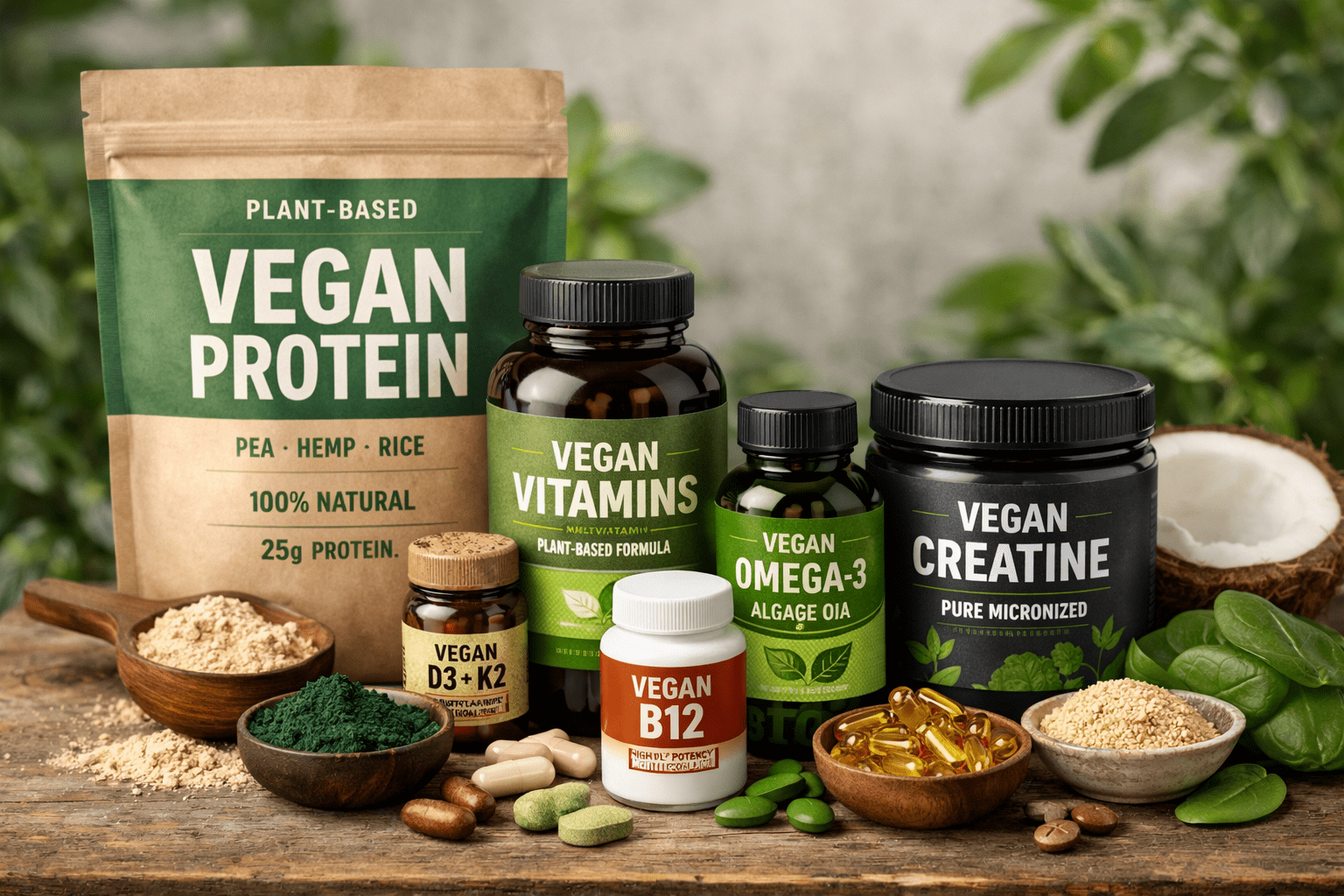
People often associate supplements or nutritional supplements with strength training or fitness. To build a muscular body, you need an adequate supply of proteins, amino acids, or minerals. However, it raises the question of whether supplements can benefit overall health—and which supplements for vegans are especially practical.
Many individuals have deficiencies in minerals, vitamins, or other health-promoting substances. Often, this stems from a diet lacking in variety or containing too many unhealthy foods. In principle, a well-rounded, carefully planned vegan diet can provide everything our bodies need to stay healthy.
Supplements for Vegans: Important Additions for a Balanced Diet
In daily life, it’s not always easy to ensure that you’re getting all the necessary minerals, vitamins, or trace elements. Typical deficiencies among vegans involve certain vitamins, such as vitamins D, B6, or B12. Vitamin D deficiencies are common in northern climates since the body primarily produces it through sun exposure. Minerals and trace elements often lacking include iron, magnesium, silicon, or sulfur.
Iron and magnesium deficiencies can become noticeable quickly. These minerals are closely tied to blood circulation and transporting oxygen through the bloodstream. A magnesium deficiency may cause muscle cramps, while an iron deficiency can result in pale skin. Hence, it can be helpful to use supplements for vegans, such as iron and magnesium supplements, because they play vital roles in the body.
Many people consume a large amount of wheat products, which unfortunately have an unfavorable omega-3 to omega-6 fatty acid ratio. This imbalance can encourage inflammation. Consequently, supplementing with omega-3 fatty acids can be beneficial; they enhance recovery and numerous other health-promoting processes.
In summary, the right supplements for vegans can help address nutrient shortfalls and support overall health.

How Can Supplements for Vegans Help?
There are additional supplements for vegans that may prove useful, including barley grass and grape seed extract (OPC). Barley grass is known for its high levels of minerals, vitamins, and secondary plant compounds—often considered one of the healthiest plants we can consume.
Grape seed extract, also called OPC, helps neutralize harmful free radicals and is regarded as an antioxidant several times more potent than vitamin C. It has anti-inflammatory properties and may help reduce blood pressure by relaxing blood vessels and arteries. In fact, OPC not only has stronger antioxidant properties than vitamin C, but also enhances vitamin C’s antioxidative effect, contributing to better healing processes in the body.
Still, supplements are intended only as an addition to one’s diet. The most vital step is maintaining a healthy, balanced vegan diet. It’s a mistake to think that an unhealthy diet can be balanced solely by nutritional supplements. However, the right choices can significantly contribute to better health and a fit physique.
Vitamin B12: A Crucial Supplement for Vegans
Vitamin B12 is a particularly important supplement for vegans. While most vitamins come from plants or animals, vitamin B12 is produced by microorganisms and fungi like yeast, molds, bacteria, and algae. Because vitamin B12 is scarcely found in plant-based foods, it’s particularly important for vegans to find suitable supplements. The intrinsic factor protein, produced in the stomach, is key to B12 absorption.
Many vegans suffer from B12 deficiency, which can adversely affect health. That’s why supplements for vegans are beneficial in preventing this shortfall. One critical function of vitamin B12 is the production of red blood cells. A deficiency impairs DNA synthesis and reduces the formation of these cells.
Vitamin B12 is also essential for processing carbohydrates and fats. A deficiency can negatively affect how the body distributes carbohydrates. Another critical role is in nerve cell formation. Given these vital functions, regularly taking supplements for vegans like vitamin B12 is highly recommended. A structured, well-planned meal plan can also help prevent B12 deficiencies.

Vitamin B6 Supplement
Vitamin B6 is water-soluble, meaning our bodies store only minimal quantities, unlike fat-soluble vitamins. Key sources include potatoes, legumes, nuts, bananas, and avocados.
About 75% of dietary vitamin B6 is bioavailable in a balanced diet. For vegans, it’s essential to consider supplements for vegans to ensure adequate vitamin B6 intake.
The Role of Vitamin B6 as a Vegan Supplement
Vitamin B6 is vital for regenerating red blood cells and regulating proteins and carbohydrates—important for neurotransmitter production. This makes vitamin B6 crucial for mental well-being and overall mood.
Additionally, vitamin B6 can help lower homocysteine levels, which may be linked to depression. Beyond its impact on mental health, it could also offer preventive benefits against arteriosclerosis and arterial blockages. Because vegans can sometimes be short on vitamin B6, it can be helpful to use supplements for vegans to maintain healthy vitamin B6 levels.
OPC Grape Seed Extract
Grape seed extract is often overlooked yet extremely beneficial, especially as a supplement for vegans. Known as OPC (oligomeric proanthocyanidins), it belongs to the polyphenols—a category of secondary plant compounds. OPC is found in various berries and other plants and is a uniquely healthy supplement for vegans.
OPC’s Advantages as a Vegan Supplement
OPC neutralizes harmful free radicals and is considered an antioxidant many times more potent than vitamin C. It has anti-inflammatory properties and can help improve blood pressure by relaxing blood vessels and arteries. Beyond stronger antioxidant activity than vitamin C, OPC also boosts vitamin C’s potency, helping reduce swelling and support healing processes. It contains alpha hydroxy acids, which directly influence skin moisture and regeneration, aiding wound healing.
Another benefit is its antibacterial and anti-infectious effect, protecting against infections, viruses, and harmful bacteria. OPC also aids collagen synthesis, safeguarding joints from wear and tear. Although we can obtain grape seed extract from foods, directly supplementing can help vegans fully leverage its wide-ranging health benefits.

Magnesium Supplements
Magnesium is an exceptionally healthy supplement for vegans and is vital in numerous metabolic and enzymatic processes. It’s essential for protein production and directly supports the energy supply for the heart and muscles. Although everyone needs magnesium, it is especially important for vegans and athletes.
Adequate magnesium intake is critical for endurance or strength sports and has a calming effect, especially on muscles, promoting better sleep. Magnesium is also especially beneficial for women—during pregnancy or when using birth control pills. A deficit may present as cold intolerance or leg cramps.
Magnesium also helps diabetics by enhancing insulin production and decreasing the insulin resistance of cells. With its calming effect on the nervous system, it reduces the impact of stress-promoting nerves. Additionally, magnesium displays anti-inflammatory and concentration-enhancing effects—supporting overall health and performance. Using a specific supplement for vegans can help achieve these benefits and prevent deficiencies.
Iron: A Key Supplement for Vegans
Iron is one of the most essential trace elements and a crucial supplement for vegans. It’s pivotal in many bodily processes, especially transporting and storing oxygen in the blood, vital for a functioning energy balance. Iron forms a significant part of the red blood pigment hemoglobin.
The Importance of Iron and Vegan Iron Sources
Enzyme formation and related processes also rely on iron, essential for efficiently processing nutrients. Beans, spinach, nuts, wheat germ, and red meat are key iron sources. Because plant-based iron is often less bioavailable than animal-based iron, vegans may want to consider iron supplementation to meet their daily needs.
A targeted iron supplement can help cover any potential shortfall and deliver the numerous health advantages of iron.
Zinc: A Metabolism-Friendly Trace Element
Zinc is a highly beneficial supplement for vegans that profoundly impacts health and well-being. Without the capacity to store zinc in the body, we need daily intake, especially when under stress or facing metabolic imbalances. Zinc is part of many enzymes and thus intimately tied to countless metabolic processes.
Significance and Advantages of Zinc
Zinc is indispensable for cell division, crucial during adolescence for growth and sperm production. It’s also the primary trace element for skin health, aiding regeneration and healing. Additionally, it’s required for insulin storage and protein synthesis. Zinc boosts the immune system and provides antioxidant protection against viruses and free radicals.
Combining zinc with vitamin C can further enhance its benefits. For vegans, taking zinc as a supplement may help ensure daily needs are met and fully capitalize on its health-promoting effects.

Silicon: Important for Bones and Joints
Like zinc, silicon is a trace element that plays a major role in cells, bones, skin, hair, and nails. Although abundant on Earth, it’s present only in small amounts in many foods. Bioavailability is also low, complicating absorption. Thus, adequate intake is important—especially for vegans.
Why Silicon Matters for Vegans
Silicon supplements are especially beneficial for vegans because they encourage collagen and elastin production, reinforcing connective tissue and joints by maintaining bone strength, stability, and flexibility. Strong connective tissue also supports better nutrient distribution.
Silicon further improves calcium absorption and storage in bones, enhancing overall bone stability. It supports the immune system by promoting key immune cells that fight free radicals, bacteria, viruses, and harmful fungi. Moreover, silicon assists regeneration and healing, boasting anti-aging properties. Including silicon as a supplement can help vegans reap these health benefits and mitigate potential deficiencies.
Protein Powders: Useful for Vegans?
Online retailers and fitness influencers often recommend protein supplements or protein powders, including for vegans. But are these supplements for vegans truly worthwhile?
People who exercise regularly typically have high calorie needs. They must consume sufficient amino acids and proteins for muscle repair after workouts. With intense exercise, protein and calorie requirements increase. Although a balanced diet can meet this demand—provided it’s well-tailored to deliver high protein—vegan protein supplements can simplify the process.
Ideally, you’d source most of your protein and amino acids from food, but vegan protein powders can be a convenient alternative, helping vegans meet their increased protein requirements. Modern, high-quality vegan protein supplements cater specifically to vegans’ needs, complementing a balanced, plant-based diet.

MSM: An Underestimated Supplement
Organic sulfur, also known as MSM, is a sulfur compound that supplies this vital element to our bodies. Sulfur tends to be undervalued even though it’s crucial for health. Many people don’t get enough sulfur, which can lead to fatigue, poor hair, skin issues, reduced circulation, and even cataracts. Magnesium and iron, commonly recommended by doctors, are often less critical than sulfur. Hence, MSM can be a particularly useful supplement for vegans.
The Importance of Sulfur in the Body
Sulfur is found in higher quantities in the body than many other minerals and is necessary for hormone, amino acid, enzyme, and antioxidant production. Because enzymes partially rely on sufficient sulfur, a shortfall can damage the immune system and harm overall health.
Advantages of MSM as a Vegan Supplement
Sulfur may be beneficial for joint conditions like osteoarthritis, stimulating collagen synthesis to help protect cartilage and joints. Researchers also suggest sulfur’s antioxidant properties promote faster muscle recovery, and it can enhance detoxification processes within the body. The detox benefits of MSM mean it’s valuable not only for vegans but non-vegans alike.

L-Tryptophan: A Boost for Mood and More
L-tryptophan is an amino acid the body cannot produce itself, making dietary intake essential. It supports the synthesis and release of serotonin, a critical neurotransmitter known as the “happiness hormone,” which encourages positive feelings while alleviating dissatisfaction or depressive states.
Benefits of L-Tryptophan for Vegans
Serotonin can also help reduce symptoms associated with conditions like Parkinson’s disease, Tourette’s syndrome, and epilepsy. Most serotonin production takes place within the intestinal lining, with a smaller amount synthesized in the brain. Because vegans may not consume enough L-tryptophan in their diet, supplementing this amino acid can be advantageous, supporting emotional balance and overall wellness.
Barley Grass: Green Power
Barley grass is another great supplement for vegans. Part of the grass (Poaceae) family, barley is cultivated worldwide and praised for its nutrient density. It is high in minerals, vitamins, and secondary plant compounds, making it one of the healthiest supplements.
Benefits of Barley Grass for Vegans
Many people have an overly acidic diet that negatively impacts stomach and intestinal health. Barley grass directly improves the body’s acid-base balance, enhancing nutrient absorption. Rich in vitamins B and C, as well as minerals and trace elements like iron and calcium—nutrients often lacking in a plant-based diet—barley grass can serve as a powerful supplement for vegans, optimizing mineral intake.
Barley grass also contains ample antioxidants, particularly vitamin E, which support immune function. By stabilizing the acid-base ratio, barley grass can prevent intestinal disease and promote a healthier gut environment.

Kelp: The Healthy Seaweed
Kelp is a type of seaweed common in the North Pacific and colder waters. Though it can grow up to 50–60 meters long, it often remains much shorter, around half a meter. Kelp is especially noteworthy as a supplement for vegans because it’s a potent source of various nutrients.
Why Kelp is Important for Vegans
Kelp is high in vitamins, minerals, fiber, and trace elements, most notably iodine. This mineral is pivotal for thyroid health and hormone production (T3 and T4), which regulate metabolism. Vegans may struggle to get sufficient iodine from other plant sources, making kelp an excellent solution. It also helps prevent iodine deficiency, which could lead to thyroid dysfunction.
Advantages of Kelp as a Vegan Supplement
Kelp can help you meet your iodine needs, vital for a well-functioning thyroid and balanced metabolism. Alongside iodine, kelp offers various beneficial compounds that enhance general vitality. Still, it’s important to use kelp in moderation—excessive iodine intake can cause health problems. Used properly, though, kelp is a fantastic part of any balanced vegan diet.
References
- [1] Gang Xu, Tian Zhou, Yaqin Gu, Qinping Wang, Mina Shariff, Pingping Gu, Tuong Nguyen, Rong Shi, and Jianyu Rao, “Evaluation of the Effect of Mega MSM on Improving Joint Function in Populations Experiencing Joint Degeneration,” Int J Biomed Sci. 2015 Jun; 11(2): 54–60.
- [2] Yawen Zeng, Xiaoying Pu, Jiazhen Yang, Juan Du, Xiaomeng Yang, Xia Li, Ling Li, Yan Zhou, and Tao Yang, “Preventive and Therapeutic Role of Functional Ingredients of Barley Grass for Chronic Diseases in Human Beings,” Published online 2018 Apr 4. doi: 10.1155/2018/3232080
- [3] Ghislain Moussavou, Dong Hoon Kwak, Brice Wilfried Obiang-Obonou, Cyr Abel Ogandaga Maranguy, Sylvatrie-Danne Dinzouna-Boutamba, Dae Hoon Lee, Ordelia Gwenaelle Manvoudou Pissibanganga, Kisung Ko, Jae In Seo, and Young Kug Choo, “Anticancer Effects of Different Seaweeds on Human Colon and Breast Cancers,” Mar. Drugs 2014, 12(9), 4898-4911
- [4] M. Abidov, Z Ramazanov, R Seifulla, S Grachev, “The Effects of Xanthigen in the Weight Management of Obese Premenopausal Women with Non-alcoholic Fatty Liver Disease and Normal Liver Fat,” 2010 Jan;12(1):72-81. doi: 10.1111/j.1463-1326.2009.01132.x. Epub 2009 Oct 13.
- Thomas A. Pagonis, Panagiotis A. Givissis, Aristidis C. Kritis, Anastasios C. Christodoulou, “The Effect of Methylsulfonylmethane on Osteoarthritic Large Joints and Mobility,” Vol 1, No 1 (2014) > Pagonis
Supplements
More supplement guides
Do vegans need to take dietary supplements?
Guide The short answer: Vitamin B12 almost always — everything else depends on diet, blood values,…
Read more
Where is iodine found in the vegan diet?
Our diet and our health are closely linked. The types of foods and beverages we consume…
Read more