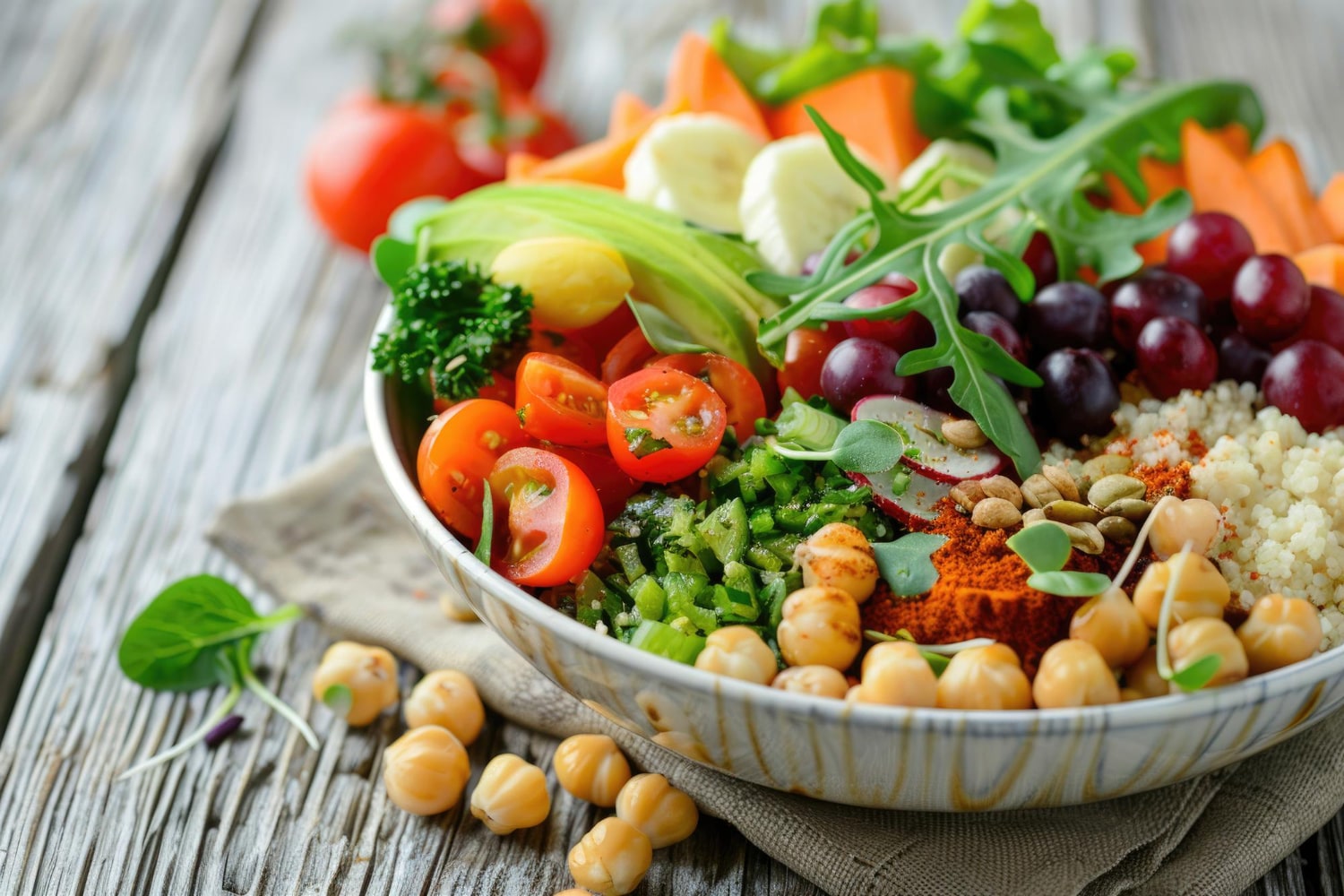
Following a vegan diet can be extremely healthy in principle. However, many people overlook their sugar intake, even with a vegan lifestyle. Highly refined sugar can be detrimental to our bodies if consumed in large quantities. This raises a couple of questions:
- How can vegan and sugar free be effectively combined?
- What specific factors must we consider?
For many, sugar is one of the hardest elements to limit while eating vegan. Very few of us are immune to sweet cravings—be it candy, desserts, cake, pastries, chocolate, or soft drinks. This post will show you how to reduce your sugar intake in a vegan diet without making too many sacrifices.
Why Is Sugar Consumption So High?
Sugar sneaks into an enormous range of supermarket products—often in places you might never expect. High daily intakes of simple sugars can lead to health problems over time. In contrast, an eating pattern that is both vegan and sugar free can positively support long-term health.
Over recent decades, sugar consumption worldwide has skyrocketed, contributing to a host of negative health outcomes for many people. Soft drinks, sweets, baked goods, and fruit beverages are major culprits. Even “healthy” or “vegan” convenience items can be sugar-laden. So how do we manage to eat vegan and sugar free?
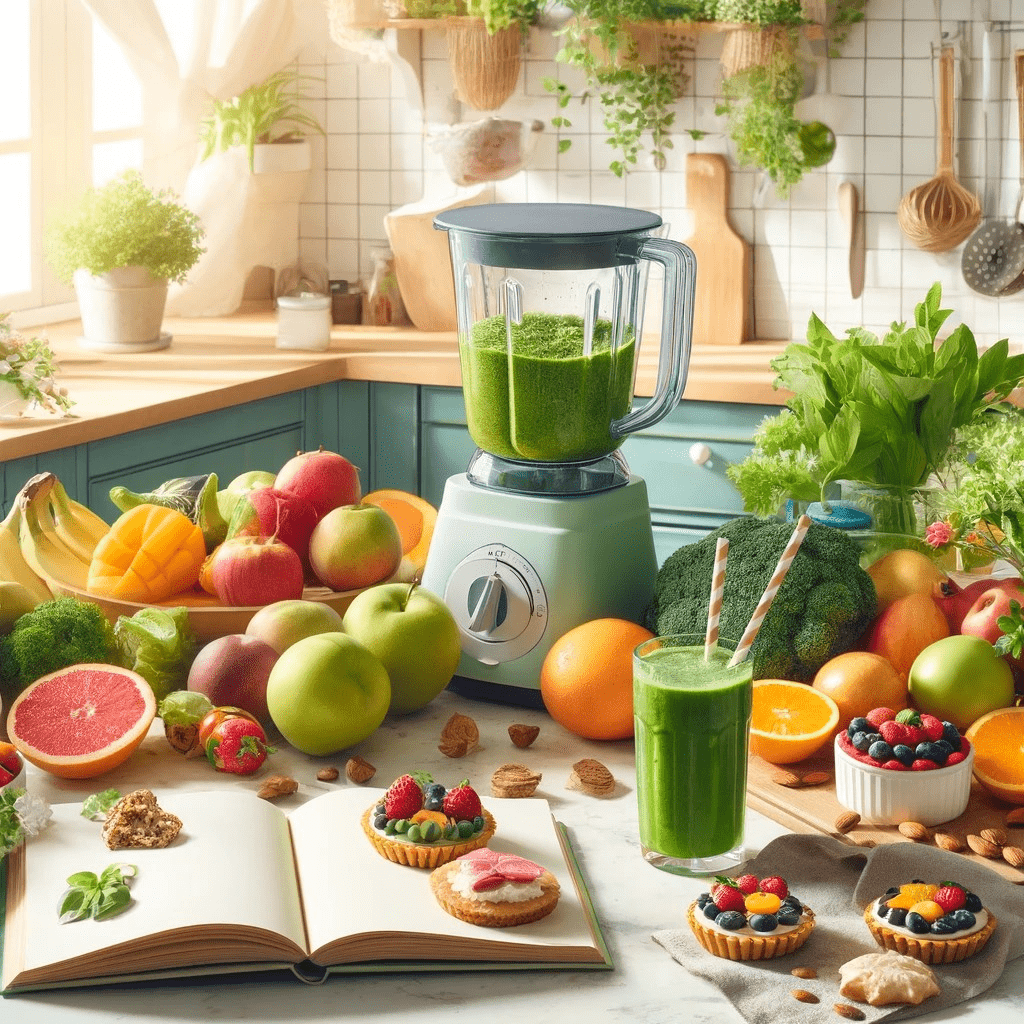
How Sugar Affects Our Health
Essentially, sugar consists of short-chain carbohydrates. One can distinguish between monosaccharides and disaccharides (simple sugars) and polysaccharides and oligosaccharides (complex carbohydrates). Carbs provide important energy for our bodies, especially the brain. Typically, they’re broken down by enzymes into glucose, which travels through our blood and is stored as glycogen in body cells. When under mental or physical stress, glycogen is burned for energy.
But if our glycogen stores are full, excess carbs are converted to fat. This is one reason why high intakes of simple carbohydrates can be harmful. Thus, choosing a diet both vegan and sugar free can help prevent excessive fat storage, supporting a healthier body weight.
Where Is Sugar Hidden, and How to Eat Vegan and Sugar Free?
Soft drinks are a leading source of added sugar, followed by baked goods and fruit drinks. “Energy” or “sports” drinks often marketed as healthy can be packed with large amounts of sugar. While most supermarkets stock plenty of vegan items nowadays, many are still heavy on sugar.
The key is to stay vigilant and check product labels carefully—even on items labelled “vegan.” Some products might appear healthier but can contain substantial amounts of refined sugar.
How to Reduce Sugar on a Vegan Diet
Many people find it challenging to maintain a strict vegan and sugar free lifestyle over the long term. Below are nine tips to help curb sugar intake effectively:
- If you’re eating vegan and consuming lots of sugar, don’t try cutting it out overnight. Your body is used to that level of sugar. Reducing it gradually over days or weeks is more realistic. Abrupt changes often last only a few days before old habits return.
- Explore natural sugar substitutes like xylitol or stevia. They can help ease the transition.
- Be mindful while shopping: processed junk food often masquerades as healthy or vegan. Favor fresh, whole foods, which typically contain little or no refined sugar.
- Avoid grocery shopping when hungry. Your impulse to grab sugary, unhealthy items intensifies on an empty stomach.
- Keep simple, nutritious snacks like fruit, nuts, and seeds handy—instead of sugary bars or sweets.
- Try boosting magnesium intake—e.g., from leafy greens, nuts, seeds, brown rice, or avocados—since magnesium can quell sugar cravings.
- Always inspect ingredient labels to confirm items are both vegan and sugar free.
- Opt for naturally sweet foods like coconut, cinnamon, corn, sweet potatoes, or fresh fruit to curb sugar cravings.
- Before parties or social events that could tempt you, enjoy a healthy meal so you’ll feel satiated ahead of time.
- Keep hydration levels steady—lack of fluids can reduce serotonin and trigger sugar cravings.
- Daily exercise is also important. Research shows even brief daily physical activity in overweight individuals can diminish the desire for sugary treats.

What’s the Role of Insulin?
Insulin regulates our blood sugar levels and is essential for survival. It’s a key hormone in our metabolism, tasked with reducing blood glucose when levels become elevated. If you choose a diet that’s vegan and sugar free, you can lower your daily insulin spikes significantly.
Insulin is the counterpart to the growth hormone somatropin (HGH). While somatropin fosters anabolism—helping build muscle, liver, and bone—insulin controls rising blood sugar levels. Somatropin also burns fat stores, making it vital for cellular repair and growth. The most significant release of somatropin occurs during REM sleep.
Each time you eat, insulin is secreted; the more sugar consumed, the higher the insulin release. Minimizing sugar can help stabilize insulin levels and, by extension, support your body’s regenerative processes.
Insulin Spikes and Somatropin
Frequent insulin peaks throughout the day inhibit HGH secretion, adversely affecting the body’s repair mechanisms and fat-burning capacity. Consequently, it’s best to avoid sugar intake before bedtime because nighttime offers the greatest somatropin release. A diet that’s vegan and sugar free helps keep insulin spikes at bay, ultimately supporting improved regeneration and health.
Sugar is sometimes referred to as “white poison.” Overconsumption is linked to numerous issues like weight gain, Type 2 diabetes, and heart disease. While many types of sugar come from plant sources such as sugarcane or corn, the products found in grocery stores are often heavily processed, sometimes even using animal-bone derivatives for whitening. Therefore, individuals following a vegan lifestyle may want to be aware that not all sugar is free from animal-based processes.
Vegan and Sugar Free for Diabetes Prevention?
Diabetes, often called the “sugar disease,” is split into two main forms: Type 1 and Type 2. This metabolic disorder results in persistently high blood glucose levels due to a chronic lack of insulin. With Type 2 diabetes, in particular, excess sugar intake is a primary risk factor.
Typically, glycogen is stored in cells for energy. But in diabetes, sugar remains in the bloodstream as the body doesn’t respond well to insulin or fails to produce enough. Elevated blood sugar leads to frequent thirst, fatigue, and frequent urination. People with Type 2 diabetes are more susceptible to high blood pressure and heart disease.
A diet that’s vegan and sugar free could help manage or even prevent Type 2 diabetes by mitigating daily insulin surges. In Western countries, diet is a major contributor to the rise of obesity, heart conditions, and metabolic disorders like Type 2 diabetes. Avoiding refined sugar while also cutting out animal-derived foods can be beneficial for both body weight and cardiovascular health.
Conclusion
In closing, an eating pattern that’s both vegan and sugar free can positively impact health in many ways. On the other hand, a high sugar intake can trigger numerous negative consequences, from weight gain to chronic illnesses such as Type 2 diabetes.
By choosing from a wide range of tasty, healthy alternatives, you can significantly slash your sugar consumption while still enjoying diverse meals. It’s never too late to adopt a healthier lifestyle or optimize your current diet. Making your diet vegan and sugar free can be one of the most powerful ways to achieve better overall health.