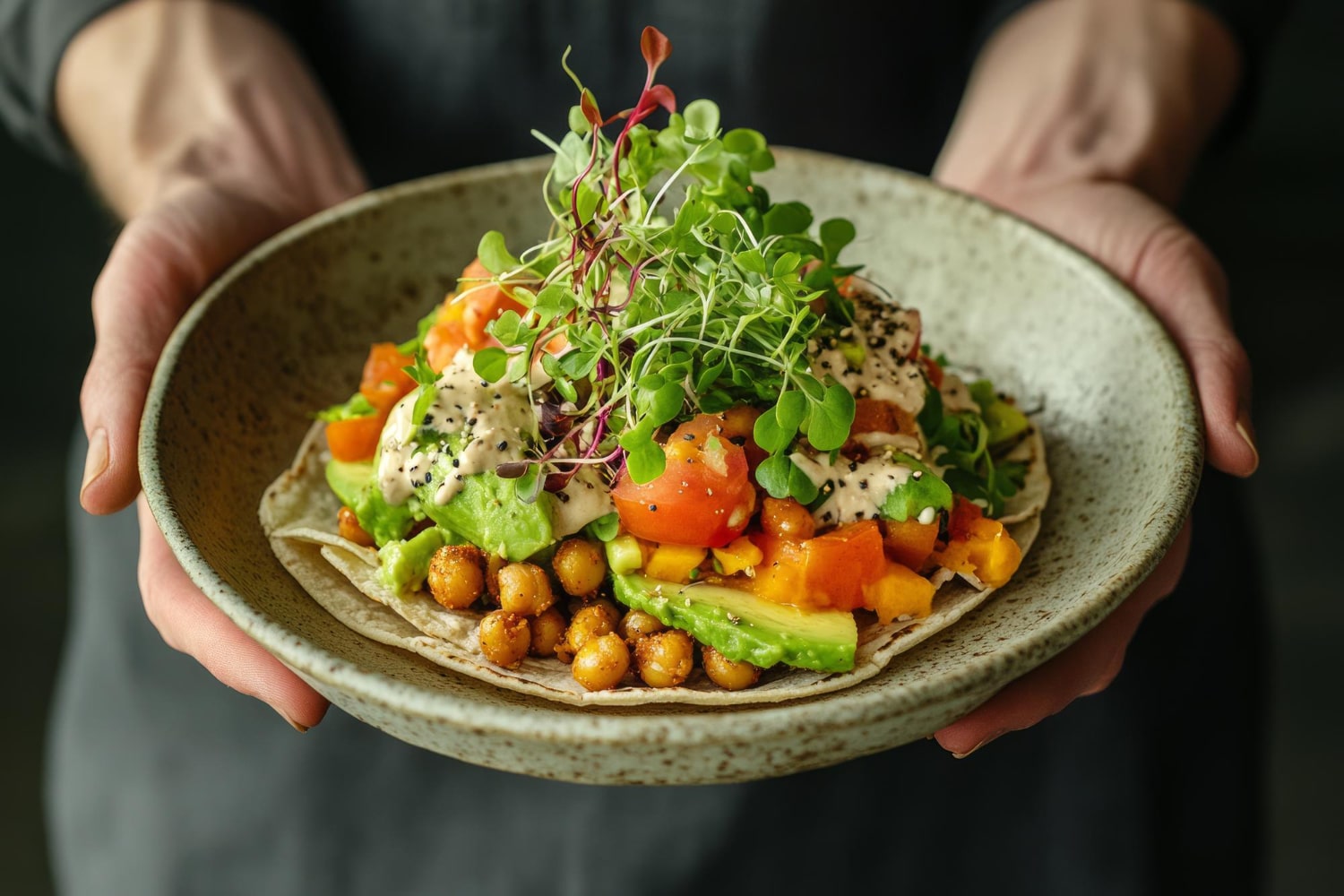
The vegan ketogenic diet is an approach that combines two popular, yet often contrasting, nutrition trends: a plant-based (vegan) way of eating and a high-fat, low-carbohydrate (keto) protocol. Typically, ketogenic diets are meat-heavy, focusing on minimal carbs to induce a state called ketosis. But can you sustain a ketogenic vegan approach? And is it a viable or healthy option for those who avoid all animal products?
What Is Ketosis?
The vegan ketogenic diet is characterized by a very low carbohydrate intake and a higher-than-usual fat intake. Traditionally, carbohydrates are stored as glycogen in your cells and serve as your body’s main energy source. When you drastically reduce carbs—often below 50 grams per day—and increase your dietary fats, your body enters a metabolic state called ketosis.
In ketosis, the liver converts fats into molecules called ketone bodies, which stand in for glucose as your primary fuel. This shift typically begins once your glycogen stores are depleted. Transitioning into ketosis may feel challenging at first, leading to hunger pangs or mental fatigue, as your body adjusts to burning fat instead of carbs.
Key Foods in a Ketogenic Vegan Diet
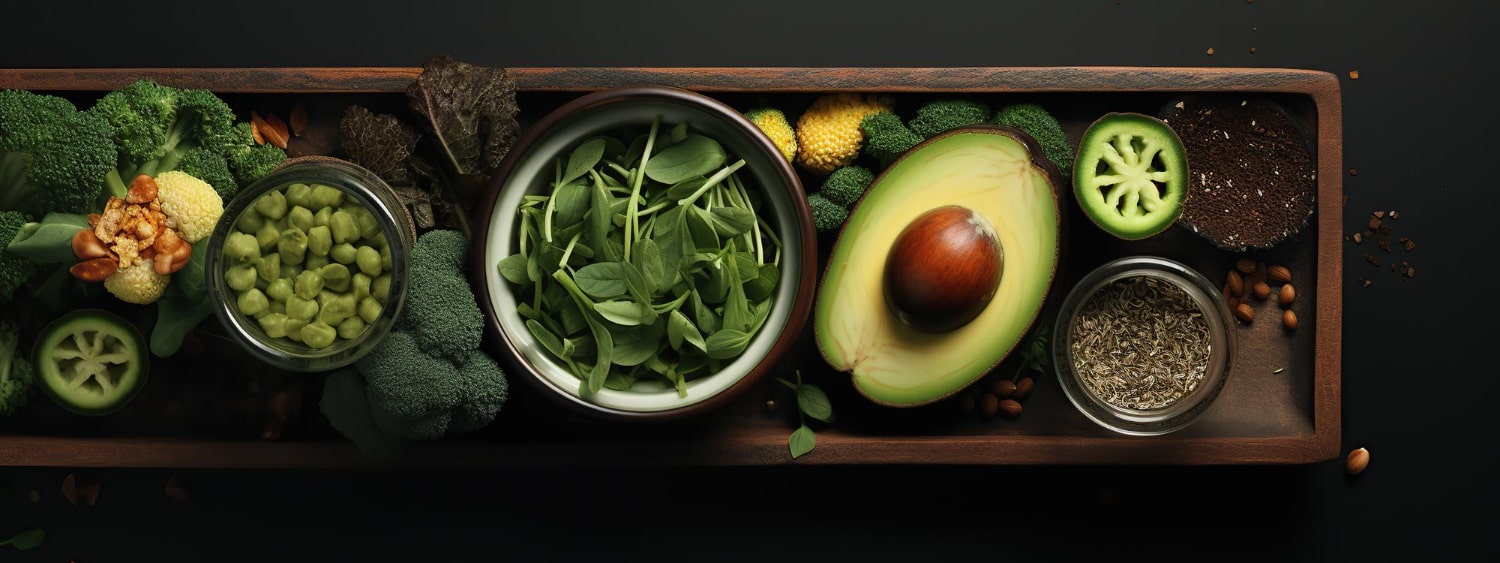
For a vegan ketogenic diet, you focus on whole, plant-based foods that are high in healthy fats and low in carbohydrates. Think of nuts and seeds in various forms, along with oils like olive oil. Coconut-based items such as full-fat coconut milk or unsweetened coconut yogurt are often recommended too. Aim to stay below 50 grams of carbs daily to maintain ketosis.
Omega-3 vs. Omega-6 Fatty Acids
Given that fats form the bulk of your calories in a ketogenic vegan plan, it’s crucial to select fat sources with a favorable omega-3 to omega-6 ratio. For instance, sunflower oil is rich in omega-6 and can drive inflammation, whereas flaxseed or hemp seed oil tend to offer more beneficial omega-3. This balance helps minimize inflammatory processes while boosting overall health.
Protein Sources
Robust protein options for a ketogenic vegan regimen include tofu, tempeh, certain non-starchy legumes, and unsweetened plant-based yogurts. Additionally, low-sugar fruits—especially berries like strawberries, raspberries, blueberries, and blackberries—can be included without overshooting your daily carb limit.
Potential Health Benefits
Many advocates of the vegan ketogenic diet believe it can support weight loss by forcing the body to burn fat for energy. Combining a low-carb approach with primarily plant-based fats can also improve your fatty-acid profile, especially if you focus on omega-3-rich sources such as flaxseeds and hemp.
Enhanced Recovery and Low Blood Sugar
A vegan ketogenic diet emphasizes quality fats, which assist the body’s recovery processes. Omega-3 fatty acids are particularly anti-inflammatory. Meanwhile, by minimizing carb consumption, you avoid frequent blood-sugar spikes, potentially lowering your risk for metabolic disorders like type 2 diabetes.
Drawbacks of a Ketogenic Vegan Diet
Compared to a standard omnivorous keto plan, or even a typical vegan plan, the scope of foods is narrower when combining ketogenic vegan principles. This can make meal planning complicated, especially at the beginning. The transition to ketosis also may temporarily cause fatigue or increased hunger due to the body’s reliance on stored fats instead of carbs.
You’ll need to pay extra attention to micronutrients and potential deficiencies. Eliminating most carbohydrate-dense foods restricts your intake of vitamins and minerals often found in grains and legumes. Supplementation with key nutrients like vitamin B12, vitamin D, iron, and calcium may be important to ensure you remain balanced.
Conclusion
The vegan ketogenic diet can be a solid strategy to help reduce body fat while maintaining an entirely plant-based approach. It involves boosting healthy plant fats, sufficient protein, and minimal carbohydrates. Though it can offer benefits such as a steadier blood sugar level and possible anti-inflammatory effects, it’s not necessarily a permanent lifestyle for everyone.
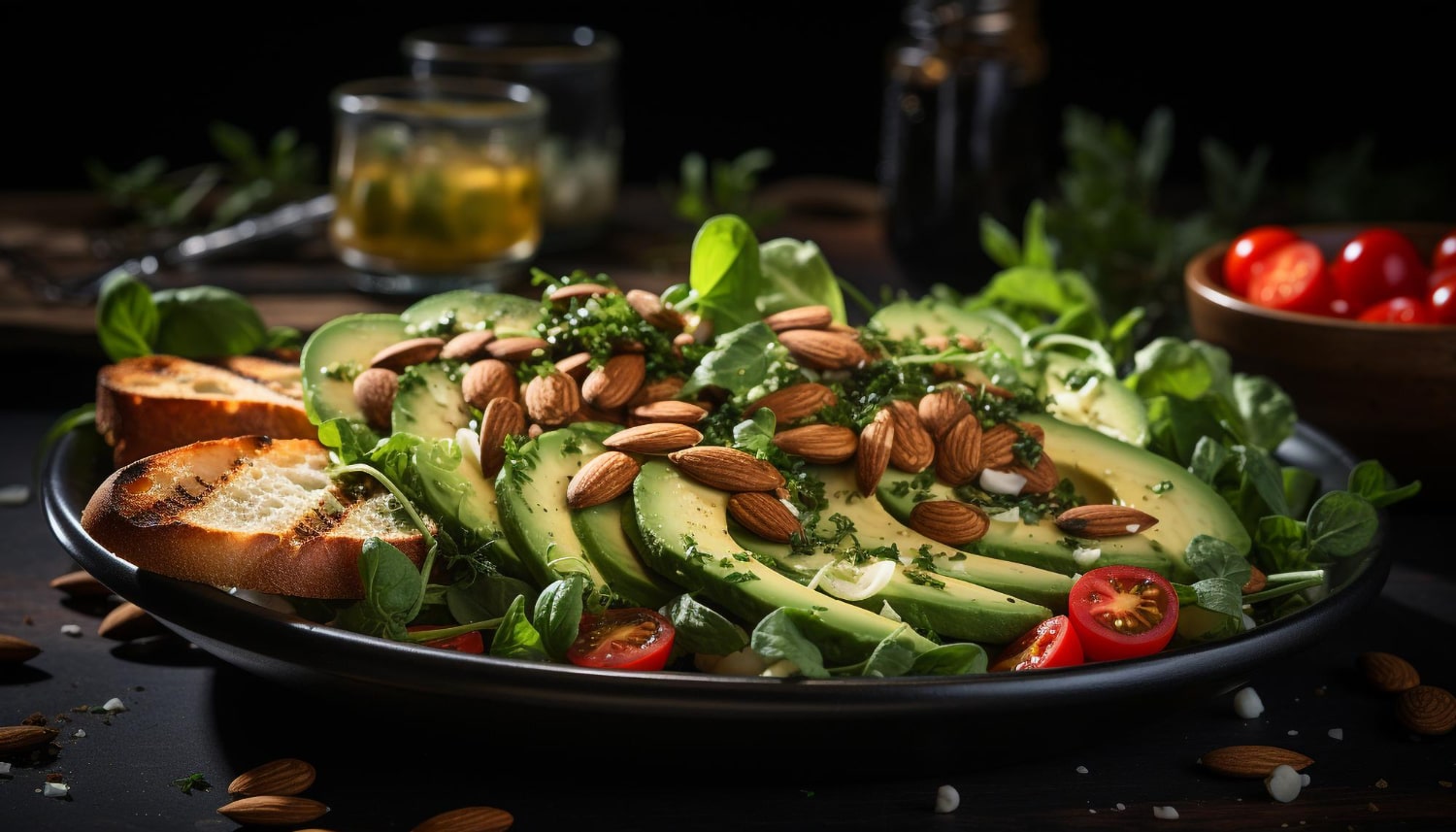
If you decide to follow a ketogenic vegan path, emphasize nutrient-dense sources of fat (e.g., avocados, nuts, seeds) with a good omega-3 ratio. While it can be restrictive, mindful planning and balanced supplementation go a long way toward reaping potential health gains from a low-carb, high-fat plant-based diet.